Creating the perfect cocktail requires artistic skill, combined with scientific understanding to handle ingredients while using creative and technical methods. The Cocktail Mixers function as the true foundation for the beverage experience by controlling strong alcohol, bringing out natural flavors, and introducing surprising notes. The mastery of mixers stands as an essential skill for anyone who wishes to become a mixologist, home bartender, or beverage student.
Using mixers strategically enables home bartenders and aspiring mixologists to turn average cocktails into exceptional drinks by creating complexity and harmony in every sip.
Understanding Cocktail Mixers
Cocktail mixers function as non-alcoholic additives that work to enhance or weaken spirits, while shaping the complete character of a mixed drink. Mixers serve as fundamental components that determine the complete character of a drink through their ability to create sweetness, bitterness, acidity, spice, creaminess, or effervescence. The basic ingredients reveal endless potential for creative drink development through proper usage.
The selection of cocktail mixers exists in an extensive variety. The diversity of mixers extends from basic soda water to infused syrups and artisanal bitters, each possessing its distinctive characteristics. The educational approach of contemporary bars, together with mixology schools, teaches bartenders to understand mixers equally to base spirits, since their interaction creates the complete drink experience. The changing tastes of health-oriented consumers combined with flavor-sensitive preferences have triggered evolution in mixers through the use of natural ingredients, along with low sugar levels and complex taste compositions.
Types of Mixers
The knowledge of different mixer categories enables bartenders to select mixers purposefully according to their desired drink experience. The following list includes the most prevalent types of mixers.
- Carbonated Mixers: The carbonated mixer family consists of soda water, together with tonic water, club soda, and ginger beer. The carbonation of mixers creates better aromatic perception and improves the oral sensations in cocktails. The Moscow Mule requires ginger beer as its main ingredient, but club soda works best in spritzers and highballs because it provides a crisp, clean taste.
- Juices and Nectars: The acidity and natural sweetness, along with brightness, that juices and nectars provide come from fresh ingredients like orange, lime, cranberry, pineapple, and passionfruit. High-end bars currently prefer cold-pressed unfiltered juices because they deliver vivid tastes along with nutritional value.
- Syrups and Sweeteners: Simple syrup, honey, agave nectar, and maple syrup provide structure and richness. Syrups gain new dimensions in classic cocktails when they are infused with botanicals, herbs, and spices such as rosemary or chili.
- Bitters and Tinctures: Bitters and Tinctures consist of strong extract solutions primarily made from alcohol, which deliver strong taste experiences. Adding a few dashes of aromatic bitters to a drink can result in a complete transformation that brings deep and complex flavors. These ingredients serve as critical elements for making cocktails like the Old Fashioned and the Manhattan.
- Creamy Mixers: The combination of dairy cream, coconut milk, egg whites, and aquafaba creates mixers that enhance texture and add volume to cocktails, while creating velvety finishes. Cocktails like Ramos Gin Fizz and White Russian require these mixers for their preparation.
The combination of mixers with alcohol and other ingredients enables bartenders to create complex and harmonious cocktails, which satisfy various taste preferences.
The Importance of Mixer Selection
The selection of the proper mixer determines taste quality, visual presentation, and drink equilibrium of mixed beverages. High-quality mixers reveal the optimal features of spirits, while inferior mixers either mask or corrupt the desired taste profile.
- Flavor Balance: Each mixer can enhance, contrast, or smooth out flavors in a spirit. The bitterness in tonic water from quinine matches well with gin’s floral and citrus botanical elements. Stronger spirits, such as bourbon or tequila, benefit from sweet mixers, which help reduce their intense flavors.
- Consistency: In professional settings like bars or event venues, consistency is key. Pre-measured high-quality mixers guarantee uniform taste consistency from the initial drink to the final one.
- Efficiency and Cost-Savings: Mixers that come pre-packaged reduce both preparation work and ingredient consumption, mainly when operating at high-volume service levels. The use of pre-bottled mixers eliminates the possibility of inconsistent flavor results that occur from using fresh ingredients, since their quality can differ between production batches.
Research from 2024 reveals that 85% of professional bartenders believe mixers strongly affect both the taste quality and customer happiness of their drinks. The quality of mixers has started to gain greater attention from customers, who now demonstrate active interest in mixer quality, according to survey data, which shows that 60% of bartenders share this perspective.
Flavor Pairings and Use Cases
Different spirits contain distinct flavor compounds, which mix well with particular liquids that enhance or match their flavors. Here’s a breakdown of common pairings:
- Vodka: Vodka works with any mixer because of its neutral taste, which makes it perfect for Cape Codders with cranberry juice, low-calorie drinks with soda water, or citrus-based mixers like orange or grapefruit juice.
- Gin: The botanical elements (juniper, coriander, citrus peel) in gin create natural pairing opportunities with tonic water, elderflower syrup, cucumber juice, and herbal lemonades.
- Rum: Rum comes in light to dark categories, which pair well with tropical mixers such as pineapple juice, coconut cream, ginger beer, and cola. The spirit remains essential in creating tiki drinks and Caribbean-style cocktails.
- Whiskey: Whiskey’s strong flavor profile that includes wood and smoke notes combines well with mixers, including ginger ale, sweet vermouth, apple cider, and lemon juice. The spirit serves well as a base ingredient to create both seasonal autumn drinks and summer cocktail refreshers.
- Tequila: The citrus and earthy flavors of tequila pair well with lime juice, grapefruit soda (like in the Paloma), agave syrup, and spicy jalapeño-infused tonic.
Bartenders can create unique signature cocktails through experimental pairings because these combinations allow them to express personal tastes while respecting established flavor principles.
Spotlight on Candid Mixers
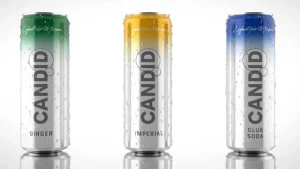
Candid Mixers eliminates mixer selection confusion by providing expert-selected premium mixers, which combine authentic components with professional-grade production standards.
- Candid Club Soda: This club soda originates from natural mountain spring water, which undergoes careful carbonation to produce enduring fizz and pure taste. The base ingredient works well for creating light cocktails and spritzers.
- Candid Imperial Tonic: Candid Imperial Tonic represents a superior tonic water, which incorporates authentic quinine along with cold-pressed citrus oils while remaining free from artificial sweeteners. The refined bitterness of this tonic water makes it suitable for gin and vodka cocktail mixtures, while maintaining a perfect balance of flavors.
- Candid Ginger: A spicy and aromatic ginger mixer made from real ginger root extract. With no added syrups or concentrates, it delivers an authentic punch, perfect for Moscow Mules, Dark ‘n’ Stormies, or even non-alcoholic spicy spritzers. Candid Ginger features real ginger root extract as its base ingredient to produce a spicy and aromatic mixer. It provides authentic punch through its syrup-free and concentrate-free formula, which works well for Moscow Mules, Dark ‘n’ Stormies, or non-alcoholic spicy spritzers.
Top cocktail bars and boutique hotels across the world utilize Candid Mixers because these products provide consistent quality and sustainable products in each can.
Tips for DIY Bartenders and Beverage Students
The following mixology guidelines are suitable for both beginner bartenders and beverage students who want to enhance their skills:
- Start Simple: Begin your mixology journey with classic drinks like Gin & Tonic, Whiskey Sour, or Mojito to experience how different mixers affect total taste.
- Use Fresh and High-Quality Mixers: Premium soda, combined with fresh juice and well-made syrups, produces noticeable flavor improvements. It is best to avoid mixers that contain generic mass production ingredients like high-fructose corn syrup and artificial colors.
- Measure Precisely: The key to obtaining better outcomes lies in precise measurements. Measuring tools or jiggers work better than freehand methods when pouring ingredients.
- Experiment and Document: Documenting your mixology discoveries can be done through either recipe notebooks or cocktail apps, which help you track successful combinations and ratios. The development of your unique cocktail style will occur through time.
- Stay Updated: The beverage industry is evolving because of three major trends, which include low-ABV cocktails, non-alcoholic spirits, and herb-infused mixers. Following mixology blogs and joining communities will inspire you to create new cocktail recipes.
Elevate Every Pour
Every excellent drink relies on cocktail mixers as its secret power elements. The combination of strong alcohol with refined flavor occurs through mixers, which enables bartenders to create balanced and textured drinks with depth. DIY bartenders, together with beverage students, who learn about mixers, their combinations, and effective usage methods, will establish a solid mixology foundation.
Brands like Candid Mixers enable consumers to explore their beverage preferences with reliable products that suit contemporary tastes as well as health-oriented choices. The success of your cocktail-making experience depends on selecting a suitable mixer to help you achieve perfect flavor and create unforgettable drinking moments.
Read More: Creative Ways to Use Candid Mixers