Tonic water is often recognized for one defining trait: its distinctive bitterness. Yet behind that seemingly simple impression, tonic water, also commonly known as air tonik in Indonesia, offers a much broader flavor spectrum than many people expect. From clean, assertive classic styles to more aromatic botanical expressions, tonic water continues to evolve alongside the way people enjoy drinks today.
In the modern drinks landscape, understanding the types and flavors of tonic water has become increasingly relevant. Not only for cocktails, but also for relaxed consumption, flavor exploration, and a more mindful lifestyle. This article explores the different styles of tonic water, how their flavor profiles work, and when each is best used.
What Is Tonic Water?
Tonic water is a carbonated beverage that contains quinine, a natural compound responsible for its signature bitter taste. In addition to quinine, air tonik typically includes a certain amount of sweetener to balance that bitterness.
Unlike neutral soda water, tonic water is intentionally designed to have character. It doesn’t simply add bubbles. It actively shapes the direction of a drink’s flavor. This is why understanding the differences between tonic water types and flavors matters.
The Role of Tonic Water in Drinks
In mixed drinks, tonic water functions as both a balancer and a flavor-defining element. Its bitterness helps refine drinks that lean sweet or strong, while carbonation maintains freshness.
Tonic water is often chosen when a drink needs clear structure. It adds contrast rather than masking flavors. This quality is what keeps tonic water relevant as a favorite mixer across contexts, from professional bars to home enjoyment.
Classic Tonic Water: A Balanced Starting Point
The most familiar type of tonic water is the classic style. Classic tonic water features a clean bitter-sweet profile with firm yet controlled carbonation.
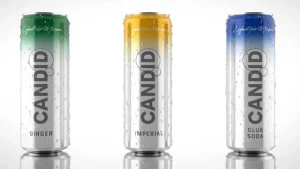
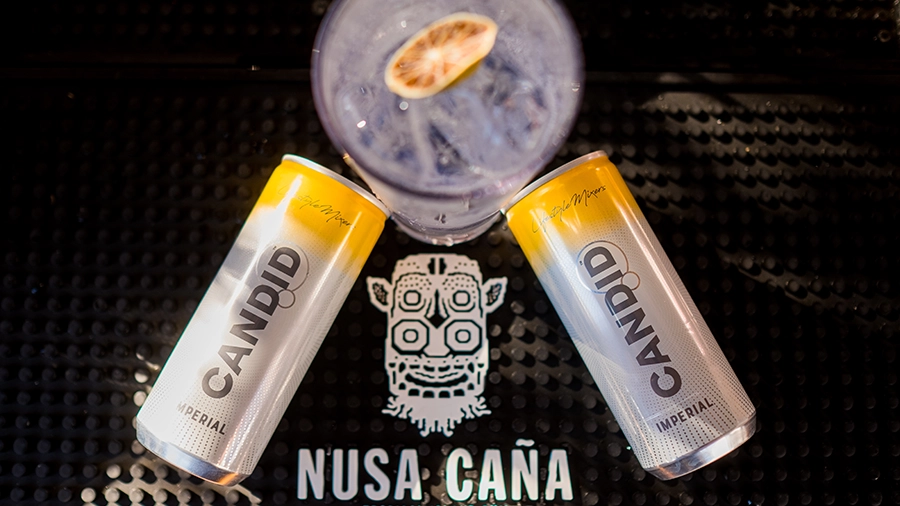
This type is commonly used as a standard in many recipes because it pairs easily with a wide range of ingredients. An example is Candid Imperial Tonic Water, which is designed with clean bitterness and controlled sweetness, allowing other elements, especially gin, to remain expressive.
In modern lifestyles, classic tonic water is also often enjoyed on its own, served cold over ice as a light drink that doesn’t feel overly sweet.
Light Tonic Water: Lighter and More Controlled
As awareness around sugar intake has grown, many producers now offer light tonic water. These versions contain less sugar, allowing the bitterness to come through more clearly.
This type of tonic water suits those who prefer a drier, lighter taste. In mixed drinks, light tonic water delivers a sharper, cleaner result, especially when paired with spirits or ingredients that have delicate aromas.
However, because the bitterness is more pronounced, balance becomes especially important when using it.
Citrus Tonic Water: Bright and Refreshing
Citrus tonic water introduces a fresh dimension through notes of orange, lemon, or grapefruit. These citrus elements are typically aromatic rather than sweet.
Tonic water with citrus accents is often chosen for drinks that aim to feel brighter and more approachable. The tonic’s bitterness remains present but is softened by fresh citrus aromas, making the overall profile feel lighter.
This style is popular for casual drinking and works well for those just beginning to explore tonic water.
Botanical Tonic Water: Aromatic and Expressive
The term “botanical” in tonic water refers to the use of natural ingredients such as herbs, spices, flowers, or citrus peels to shape aroma and flavor. Botanical tonic water is typically more complex and layered.
This type of tonic water delivers not only bitterness and carbonation, but also additional aromatic notes that may feel floral, herbal, or subtly spicy. Because its character is more pronounced, botanical tonic water is usually selected with greater intention.
In this context, botanical elements like ginger, either from fresh ingredients or clean, measured references like Candid Ginger are commonly used to add warmth without disrupting balance.
Comparison with Sparkling Water and Soda Water
Tonic water is often confused with sparkling water or soda water, though their roles are quite different. Sparkling water is usually neutral and defined by its natural mineral content. Soda water is functional, with no dominant flavor.
Tonic water, or air tonik, sits on the other end of the spectrum. It has a clear flavor profile and actively shapes a drink’s identity. Because of this, tonic water cannot always replace soda water, and vice versa.
Understanding these differences helps ensure the right mixer is chosen for the intended drink.
Does Tonic Water Have Benefits?
Tonic water is not a health drink. However, compared to strongly flavored sweet sodas, air tonik is often seen as more controlled because its bitterness naturally limits overconsumption.
In lifestyle terms, tonic water supports more mindful drinking habits. Its bitterness encourages slower enjoyment rather than fast, excessive consumption.
Tips for Choosing Tonic Water as a Beginner
For beginners, starting with classic tonic water is usually the safest choice. Its balanced flavor makes it easy to pair. Once familiar, exploration can move toward citrus or botanical varieties.
Pay attention to sweetness and bitterness. Tonic water that is too sweet or overly bitter can disrupt balance. Serve it cold so carbonation stays lively and flavors remain clean.
Above all, choose tonic water with consistent quality.
Tonic Water in Modern Lifestyles
Today, tonic water is no longer limited to cocktails. It has become part of a more mindful lifestyle, where drinks are chosen for quality and function, not just sweetness.
Tonic water often appears in relaxed moments: quiet afternoons, breaks, or small gatherings. It supports the mood without demanding attention.
Candid’s Perspective on Drinks with Tonic Water
At Candid, tonic water is viewed as a mixer with character, something to be understood, not generalized. Each type of tonic water has its own function and context.
Candid’s approach emphasizes balanced flavor, clean carbonation, and restraint. This philosophy keeps tonic water relevant across styles, from classic to botanical: always functional, always controlled.
Conclusion
The types and flavors of tonic water continue to evolve, from clean classic styles to more expressive botanical versions. Each offers a different experience, depending on how and why it’s used.
Understanding air tonik isn’t about memorizing categories, but about recognizing balance. When tonic water is chosen thoughtfully, it doesn’t just complement a drink. It elevates the entire experience. That’s where Candid positions tonic water: as a calm, consistent, and relevant foundation in the modern drinks world.
Further Reading
Candid Products: Soda Water, Tonic Water, Ginger Ale
Candid Website: candidmixers.com
Drink Recipes: Emma Bartender