Ginger ale holds a unique position in the world of beverages. It is neither a passing trend nor merely a nostalgic drink. From simple classic highballs to more experimental modern creations, ginger ale has remained a relevant, flexible, and widely accepted mixer across generations.
Beneath its light and approachable character, ginger ale plays an important role in shaping structure and balance in drinks. This article explores how ginger ale has been used over time, why it continues to be chosen in various contexts, and how its role has evolved alongside changes in modern drinking culture.
What Ginger Ale Is and Why It Endures
Ginger ale is a carbonated beverage with a gentle ginger flavor, mild sweetness, and a non-aggressive profile. Unlike traditional ginger drinks that are sharp and spicy, ginger ale is designed to be easy to pair. This very quality is what has allowed it to endure in the beverage world.
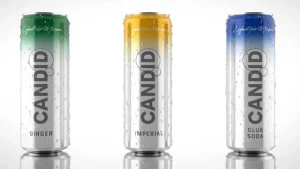
From its early days, ginger ale was never positioned as a headline drink with bold claims. Instead, it has always functioned as a supporter: adding texture, warmth, and balance without dominating. Modern ginger ale with a clean ginger taste and precise carbonation, such as Candid Ginger, demonstrates how this restrained approach remains relevant today.
Ginger Ale in the Classic Highball
The highball is one of the simplest drink formats: spirit, mixer, and ice. Within this structure, ginger ale found its early stage. Combinations such as whisky ginger or gin ginger illustrate how effectively ginger ale performs.
In classic highballs, ginger ale softens the edge of alcohol without removing its presence. The carbonation brings freshness, while ginger adds a warm layer that makes the drink feel more “alive.” The structure is simple yet highly functional, which explains its lasting appeal.
Highballs made with ginger ale are also known for their approachability. They require no complex techniques and no trained palate. These drinks serve as a bridge between casual drinkers and more serious enthusiasts.
Ginger Ale as a Versatile Mixer
Over time, ginger ale has moved beyond classic highballs. It is now used across a wide range of drinks, both alcoholic and non-alcoholic. This versatility is its greatest strength.
Ginger ale adapts well to fruit flavors, citrus, and light herbal notes. In modern mixed drinks, it is often chosen when a balance between freshness and depth is needed. Not too neutral, yet not overly specific, this middle ground is difficult for other mixers to replicate.
Comparing Ginger Ale to Other Mixers
When compared with soda water, ginger ale clearly carries its own flavor identity. Soda water is entirely neutral and functions purely as a textural element, such as Candid Club Soda, which is often chosen when the primary ingredients are meant to stand on their own.
Tonic water, on the other hand, has a more pronounced bitter-sweet profile and a clear sense of direction. Variants like Candid Imperial Tonic Water are typically used when a drink requires strong structure and a drier finish.
Ginger ale sits between these two. It offers flavor, but remains easy to control. This makes it ideal for modern creations, where drinks don’t need to be extreme to feel interesting. Ginger ale helps unify different flavor elements without pushing the drink toward a single, rigid profile.
The Evolution of Ginger Ale in Modern Creations
In recent years, modern drinking culture has shifted toward lighter, more balanced experiences. Drinks no longer need to be complex or heavy to feel premium. Ginger ale has found renewed relevance in this movement.
Many contemporary creations use ginger ale as a foundation for more approachable drinks. Whether paired with fresh juices, light syrups, or spirits with subtle character, ginger ale helps create drinks that can be enjoyed slowly and repeatedly.
This approach aligns with a more mindful lifestyle, where drinking is about experience, not intensity.
The Flavor-Structuring Benefits of Ginger Ale
While not a health drink, ginger ale offers clear sensory benefits. Its gentle ginger note helps balance sweetness, while carbonation opens up aromas and enhances freshness.
In many modern creations, ginger ale is used to “tidy up” flavors. When a drink feels too flat or too heavy, ginger ale often becomes the element that brings everything back into balance.
Ginger Ale in Non-Alcoholic Drinks
The rise of modern lifestyles has also increased demand for non-alcoholic drinks that still feel grown-up. Ginger ale plays an important role here.
Without alcohol, drinks can easily become overly sweet or uninspiring. Ginger ale adds enough texture and complexity to keep things interesting, without relying on excessive ingredients. The result is a drink that remains engaging, even without spirits.
Tips for Beginners Using Ginger Ale
For beginners, ginger ale is one of the most forgiving mixers. Use it as an enhancer rather than a replacement for the main flavor. Add it gradually and observe how the drink evolves.
Serve ginger ale cold to keep carbonation clean and crisp. Pouring it gently at the end also helps maintain a refined texture.
Most importantly, avoid forcing combinations. Ginger ale works best when given space to support rather than dominate.
Ginger Ale in Modern Lifestyle Culture
Beyond recipes and techniques, ginger ale reflects a broader shift in how people enjoy drinks. There is a move away from heavy, intense beverages toward lighter, more sustainable experiences.
Ginger ale supports this approach. It is unforced, unexcessive, and never tiring. The drink feels complete, and often that is exactly what people are looking for.
Candid’s Perspective on Ginger Ale
At Candid, ginger ale is viewed as a structural element in modern drinks. We believe a good mixer doesn’t need to draw attention to itself. It needs to be consistent and functional.
Candid ginger ale is designed with clean carbonation and balanced ginger flavor. The goal is simple: to give drinks room to develop without losing direction.
This approach reflects Candid’s broader philosophy: focusing on quality, balance, and function rather than fleeting sensations.
Conclusion
The journey of ginger ale from classic highballs to modern creations proves one thing: well-designed drinks never truly become outdated. Ginger ale remains relevant because it understands its role: as a supporter, a balancer, and a connector of flavors.
In an ever-changing beverage landscape, ginger ale offers consistency and flexibility. And when used with the right understanding, following the approach upheld by Candid, it helps create drinks that feel cleaner, more balanced, and genuinely more enjoyable to drink.
Further Reading
Candid Products: Soda Water, Tonic Water, Ginger Ale
Candid Website: candidmixers.com
Drink Recipes: Emma Bartender