In the world of modern beverages, tonic water occupies a unique position. It is not neutral like soda water, not sweet like most soft drinks, and not simply another form of sparkling water. Its distinctive bitter-sweet profile gives tonic water, often referred to as air tonik in Indonesia, a strong identity, especially among drink enthusiasts.
The popularity of tonic water did not appear overnight. It has grown alongside a more mindful drinking culture, where flavor, balance, and function matter just as much as refreshment. To understand why tonic water is so widely appreciated, we need to look at what tonic water actually is, how it functions, and why it continues to feel relevant across different drinking contexts.
What Is Tonic Water?
Tonic water is a carbonated beverage that contains quinine, a natural compound responsible for its characteristic bitterness. Unlike soda water, which is neutral by design, tonic water is meant to have a clearly defined taste. In addition to quinine, tonic water typically contains sugar or sweeteners, with levels varying depending on the brand.
Simply put, tonic water is sparkling water with a balanced bitter-sweet character. This flavor profile allows it to function not just as a filler, but as an active flavor component within a drink.
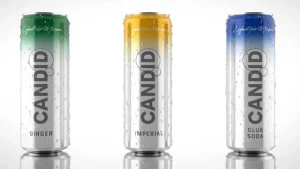
In many settings, especially in cocktail culture, tonic water is not meant to fade into the background. Instead, it plays an active role in shaping the drink’s identity, as seen in mixers like Candid Imperial Tonic Water, which is designed to provide structure and character rather than carbonation alone.
A Brief Origin of Tonic Water
Originally, quinine was used for health purposes, most notably as a preventative treatment for malaria. Because quinine is extremely bitter, it was combined with water, sugar, and carbonation to make it more palatable. This mixture eventually became what we now know as tonic water.
Over time, its medical role faded, but its flavor found a new home in the world of beverages. Tonic evolved from a functional solution into an essential element of modern drinking culture.
The Role of Tonic Water in Drinks
Unlike soda water, which works quietly in the background, tonic water plays an active role in shaping flavor. Its bitterness adds a layer of contrast that helps balance drinks that might otherwise feel too sweet or too strong.
In many cocktail recipes, tonic water is used to:
- Balance the intensity of alcohol
- Add structure and character
- Provide freshness without making the drink feel thin
Because of this, tonic is often paired with spirits that carry natural notes from herbs, spices, or citrus. The result is a drink that feels complex yet approachable.
Why Is Tonic Water So Popular?
The popularity of tonic water/air tonik is closely tied to changing drinking preferences. Many people now look for drinks that are less sweet, less excessive, and more “grown-up” in character.
Tonic water answers that need. Its bitterness provides an engaging contrast, while its carbonation keeps drinks refreshing. It is strong enough to stand on its own, yet flexible enough to be mixed.
Tonic water is also closely associated with quality downtime. It’s not a drink to be rushed, but one to be enjoyed slowly.
Tonic Water vs Soda Water
Comparisons between tonic water and soda water are common, even though their functions differ significantly.
Soda water is neutral. It contains no sugar, no dominant flavor, and works primarily as a balancing element. Tonic water, by contrast, has a clearly defined bitter-sweet taste that actively shapes the drink.
If soda water works behind the scenes, such as Candid Club Soda, which is designed to support structure without altering flavor, tonic water steps forward as a key flavor component. This is why the two are not interchangeable.
Tonic Water vs Sparkling Water
Sparkling water typically comes from natural mineral sources or from added carbonation without flavoring. Its character is shaped by mineral content rather than added ingredients.
Tonic water, on the other hand, has a more complex profile due to the presence of quinine and sugar. Functionally, sparkling water suits hydration or light refreshment, while tonic water is more often used as part of a drink recipe.
Does Tonic Water Offer Any Benefits?
Functionally, tonic water is not a health drink. However, compared to heavily flavored sweet beverages, tonic is often seen as a more controlled option because its bitterness naturally limits overconsumption.
Quinine in tonic water is sometimes associated with a refreshing sensation and enhanced flavor perception, though in modern tonic, its role is more symbolic than therapeutic.
Most importantly, tonic water encourages a more mindful drinking experience. Its bitterness invites slower sipping and greater appreciation of each glass.
Tips for Beginners Using Tonic Water
For beginners, understanding tonic water starts with accepting its character. Tonic is bitter by nature. That’s part of its appeal.
Tonic water is best enjoyed well chilled. Lower temperatures help balance bitterness and keep carbonation crisp. When mixing, moderation is key. Using the right ratio ensures the tonic complements rather than overwhelms the drink.
Some people also add complementary flavors such as citrus or ginger to soften the bitterness. In this context, clean and measured ginger elements like Candid Ginger are often used to add warmth without disrupting the overall balance.
Tonic Water in Modern Lifestyles
In modern lifestyles, tonic water often represents more mature taste preferences. It doesn’t try to please everyone, but instead appeals to those who value balance and character.
Tonic frequently appears in relaxed moments: late afternoons, small gatherings, or quiet breaks after long days. It supports the atmosphere without demanding too much attention.
Candid’s Perspective on Tonic Water
At Candid, tonic water is viewed as a mixer with personality. Tonic should neither overpower other flavors nor lose its own identity.
Candid’s approach to tonic water focuses on balance: clean bitterness, refined carbonation, and controlled sweetness. This philosophy reflects how modern drinks are enjoyed today: more consciously, more calmly, and with greater appreciation for detail.
Conclusion
Tonic water is popular not because of trends, but because of its clear function and strong character. As tonic, it offers a distinctive bitter-sweet profile that balances drinks and creates a more intentional drinking experience.
In an ever-evolving beverage landscape, tonic water remains relevant because it doesn’t try to be everything. It understands its role, performs it consistently, and creates space for balance. This is where Candid positions tonic water: as an essential part of modern mixer culture that values quality, function, and thoughtful simplicity.
Further Reading
Candid Products: Soda Water, Tonic Water, Ginger Ale
Candid Website: candidmixers.com
Drink Recipes: Emma Bartender