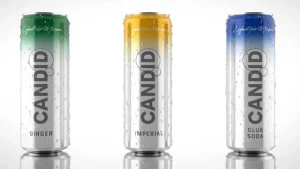
Ginger ale is often seen as a familiar and comforting drink. Many people associate it with a light, gentle, and “safe” option that can be enjoyed at any time. It is also frequently linked to health benefits, from aiding digestion to easing stomach discomfort. Yet as ginger ale continues to grow in popularity, an important question remains: are the health benefits of ginger ale truly factual, or are they simply long-standing myths?
In today’s more mindful approach to consumption, ginger ale deserves a clearer and more objective perspective. This article explores the real role of ginger ale, what it can reasonably offer, what should not be overstated, and how it fits into everyday life in a balanced way.
What Is Ginger Ale?
Ginger ale is a carbonated beverage with a light, smooth ginger flavor. Unlike traditional ginger drinks that are bold and spicy, ginger ale is designed to be easy to drink. Its defining qualities are freshness, mild sweetness, and a ginger note that never overwhelms.
In modern use, ginger ale functions either as a standalone refreshment or as a mixer. It is not intended to be a health drink, but rather a functional beverage that feels balanced and comfortable. Ginger ale with a clean ginger profile and controlled carbonation like Candid Ginger is often chosen precisely because it feels smooth rather than aggressive on the palate.
Where the “Healthy” Perception of Ginger Ale Comes From
Many health-related claims surrounding ginger ale stem from ginger itself. Ginger has long been associated across cultures with warmth and digestive comfort. Because ginger ale contains ginger flavor, it is often assumed to offer the same benefits.
This is where the line between fact and assumption becomes blurred. The ginger content in ginger ale is typically far lower than that found in fresh ginger or traditional ginger beverages. As a result, its effects cannot be directly compared.
Ginger Ale and Digestion: How Much Is True?
One of the most common claims is that ginger ale helps digestion or relieves stomach discomfort. In practice, some people do feel better after drinking ginger ale, particularly due to its carbonation.
Carbonation can create a temporary feeling of relief by reducing bloating or fullness. However, this is not a medical effect. It is simply the body’s response to gas and cold liquid. The role of ginger in this context is minimal, contributing more to flavor and aroma than to functional impact.
A similar effect can be experienced with neutral carbonated drinks such as club soda, which contain no ginger at all. This suggests that the comfort many people associate with ginger ale is more about the drinking experience than functional health benefits.
Sugar Content and Health Reality
On the other hand, ginger ale is still a carbonated drink that typically contains sugar. This aspect is often overlooked when ginger ale is described as “healthy.”
Compared to many flavored sodas, ginger ale may taste lighter, but its sugar content still deserves attention, especially with regular consumption. From a long-term health perspective, this factor is far more significant than any perceived benefit from ginger flavor.
Ginger ale is not a replacement for water, nor is it designed to be a daily health beverage.
Ginger Ale vs Other Ginger Drinks
Comparing ginger ale to other ginger-based drinks helps clarify expectations. Traditional ginger drinks usually contain a higher concentration of ginger and minimal processing, resulting in a strong, warming effect.
Ginger ale exists on a different spectrum. It offers a gentle, approachable ginger flavor, but with correspondingly limited functional benefits. This is why ginger ale is better positioned as a lifestyle beverage rather than a therapeutic one.
Can Ginger Ale Support a Healthy Lifestyle?
The answer depends on context. Ginger ale can be part of a healthy lifestyle when consumed with awareness. For example, it can serve as an occasional alternative to heavier or overly sweet sodas.
In social settings or as a mixer, ginger ale provides a balanced drinking experience. However, when consumed excessively or viewed as a health drink, expectations can become misleading.
Health is not determined by a single beverage, but by overall consumption habits.
The Role of Ginger Ale in Modern Daily Life
In everyday life, ginger ale is often chosen for its “neutral yet interesting” profile. It is easy on the palate and pairs well with a wide range of foods and drinks.
For those seeking more bitterness and structure rather than warmth, tonic water with a clean, balanced profile, such as Candid mperial Tonic Water, may be preferred depending on the moment.
This highlights ginger ale’s true strength: it offers pause, not a cure.
Tips for Enjoying Ginger Ale Wisely
For beginners, ginger ale is best enjoyed chilled and in moderate portions. Paying attention to its composition also matters: ginger ale with a clean ginger profile and restrained sweetness tends to be more pleasant.
Use ginger ale as an accompaniment or occasional alternative, not as a primary replacement for water. This approach helps maintain balance without sacrificing enjoyment.
Ginger Ale from Candid’s Perspective
At Candid, ginger ale is viewed as part of the modern beverage ecosystem, where function and balance matter most. We do not position ginger ale as a health drink, but as a mixer and light refreshment crafted with precision.
This perspective is rooted in the belief that quality is not about bold claims, but about how a drink is used and enjoyed mindfully. A well-designed ginger ale delivers a clean, consistent, and restrained experience.
Conclusion: Fact or Myth?
The health benefits of ginger ale often sit in a gray area between fact and myth. It is not a medicinal drink, nor can it be equated with fresh ginger or specialized health beverages. Yet it is also not just another ordinary soda without value.
Ginger ale offers comfort, refreshment, and balanced flavor. In the context of modern living, that in itself carries meaning. When consumed with the right understanding and attention to quality, aligned with the philosophy upheld by Candid, ginger ale can become a small but meaningful part of a more mindful drinking habit.
Not because of exaggerated health claims, but because of its thoughtful simplicity.
Further Reading
Candid Products: Soda Water, Tonic Water, Ginger Ale
Candid Website: candidmixers.com
Drink Recipes: Emma Bartender