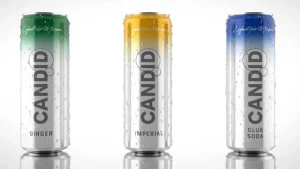
In modern dining experiences, beverages are no longer chosen simply to quench thirst. They are part of the overall experience: shaping flavor, texture, and the rhythm of a meal. This is where ginger ale plays a role that is often underestimated. With its gentle ginger flavor, clean carbonation, and controlled sweetness, ginger ale complements a wide range of dishes without drawing attention away from the food itself.
This article explores how ginger ale works as a food pairing, which types of dishes pair best with it, and how to enjoy these combinations in a balanced way that aligns with modern lifestyles.
What Ginger Ale Is in the Context of Food Pairing
Ginger ale is a carbonated beverage with a light, non-aggressive ginger flavor. Unlike typical sweet sodas, it has a more structured flavor profile. Its carbonation helps cleanse the palate, while ginger provides a subtle warmth.
When paired with food, ginger ale acts as a balancer. It doesn’t replace or compete with the dish, but instead refreshes the palate between bites. This makes it feel more active than neutral beverages like club soda, which focus purely on texture without contributing flavor.
Why Ginger Ale Works Well with Food
One of the main challenges in pairing food and drinks is preventing flavor clashes. Ginger ale is relatively safe and adaptable because of its flexible character.
Carbonation helps lift fats and heavier flavors from the palate, while the gentle ginger note adds light contrast to savory or sweet dishes. This makes ginger ale comfortable to enjoy throughout a meal, from the first bite to the last.
Ginger Ale and Savory Dishes
Savory foods, especially fried or boldly seasoned dishes, often require a drink that refreshes without adding heaviness. Ginger ale performs especially well in this role.
The ginger helps balance salty and umami flavors, while carbonation cleanses the palate after each bite. This is why ginger ale often pairs naturally with foods like fried chicken, grilled dishes, or meat-based meals that aren’t overly spicy.
Compared to tonic water with a more pronounced bitterness, like Candid Imperial Tonic Water, ginger ale feels more approachable and doesn’t push the food toward a specific flavor direction.
Pairing with Rich or Fatty Foods
Rich, fatty dishes tend to leave a lingering sensation on the palate. Ginger ale gently cuts through that richness.
Carbonation creates a refreshing lift, while ginger adds a light warmth that helps balance fatty flavors. Together, they make the dining experience feel lighter and less tiring.
Ginger Ale and Sweet Foods
While it may sound unconventional, ginger ale can also work with certain sweet dishes when balance is respected.
With desserts that aren’t overly sweet, such as light pastries, simple cakes, or fresh fruit, ginger ale can be an interesting companion. The ginger provides contrast to sweetness, and carbonation prevents the experience from feeling too heavy.
Ginger ale with a clean, restrained ginger profile, like Candid Ginger, is especially suitable for desserts, as it supports rather than masks the main flavors.
Comparison with Other Beverage Pairings
Compared to sugary sodas, ginger ale is far more food-friendly. Sweet sodas tend to amplify sugar levels and make dishes feel heavier.
Compared to plain water, ginger ale adds dimension. Water is neutral, but it doesn’t cleanse the palate as effectively as carbonation.
Compared to tonic water, ginger ale is more flexible. Tonic’s strong bitterness doesn’t always suit food pairings, while ginger ale adapts more easily across a wider range of dishes.
Sensory Benefits of Ginger Ale During Meals
While ginger ale isn’t a health drink, it offers experiential benefits during meals. The alternating sensations of freshness and warmth help keep the palate responsive to flavor.
For some people, ginger ale also helps reduce the feeling of heaviness during larger meals. This isn’t a medical claim, but a sensory effect created by carbonation and ginger working together.
Tips for Enjoying Ginger Ale with Food
For the best experience, serve ginger ale well chilled. Lower temperatures help maintain stable carbonation and a clean flavor profile.
Sip ginger ale between bites rather than consuming it all at once. This allows its refreshing function to work more effectively.
Avoid adding too much ice if the ginger ale is already cold, as excessive dilution can mute the ginger flavor and reduce its impact.
Ginger Ale in Modern Dining Culture
Modern dining increasingly emphasizes mindfulness and comfort. People are paying more attention to how food and drinks work together, rather than treating them as separate elements.
Ginger ale supports this approach. It doesn’t complicate the dining experience but helps create a smoother, more enjoyable flow. It suits casual meals at home, family gatherings, and simple entertaining alike.
Candid’s Perspective on Ginger Ale and Food Pairing
At Candid, ginger ale is viewed as a functional companion. We believe a good pairing beverage shouldn’t dominate the table, but should perform consistently across different contexts.
Candid ginger ale is crafted with balanced ginger flavor and clean carbonation, making it suitable for pairing with a wide variety of foods without disrupting their character. This approach reflects our philosophy: quiet quality, balance, and function.
Conclusion
The right food pairing with ginger ale isn’t about rigid rules, but about flavor balance. With its light, refreshing, and adaptable character, ginger ale complements a wide range of dishes, from savory to sweet, without stealing the spotlight.
In modern dining, ginger ale offers a simple yet effective solution. And when chosen with attention to quality, as with Candid’s approach, ginger ale becomes a consistent, comfortable, and always-relevant companion at the table.
Further Reading
Candid Products: Soda Water, Tonic Water, Ginger Ale
Candid Website: candidmixers.com
Drink Recipes: Emma Bartender