In recent years, more people have become interested in understanding what they drink: not only the taste, but also the process and ingredients behind it. Within this shift, homemade ginger ale has begun to attract attention. A carbonated ginger drink once commonly purchased ready-made is now being explored as something that can be crafted at home, using more natural ingredients and a more transparent process.
However, making ginger ale at home is not just about following a recipe. It is also about understanding the nature of the drink, the limitations of homemade versions, and knowing when homemade ginger ale works well, and when professionally produced versions still have the advantage. This article explores how to make homemade ginger ale in a simple, realistic, and easy-to-understand way.
What Is Ginger Ale and Why Make It at Home?
Ginger ale is a carbonated beverage with a light ginger flavor, mild sweetness, and refreshing character. Unlike traditional ginger drinks that tend to be strong and spicy, modern ginger ale is designed to be balanced and easy to pair with other flavors.
The desire to make ginger ale at home usually comes from two motivations: control and curiosity. By making it yourself, you can adjust sweetness levels, ginger intensity, and ensure that no unwanted additives are included. Beyond that, the process itself becomes an enjoyable and educational experience.
The Character of Homemade Ginger Ale
It’s important to set expectations from the start. Homemade ginger ale will not be identical to commercial ginger ale. Homemade versions tend to have a more “alive” ginger flavor, lighter carbonation, and variations in consistency from batch to batch.
This is not a flaw; it’s a characteristic. Homemade ginger ale feels more personal and flexible, but it may not suit every use case, especially those that require precise flavor consistency.
Natural Ingredients Used
At its core, homemade ginger ale is made from fresh ginger, a natural sweetener, water, and a source of carbonation. Fresh ginger is the key ingredient that defines the direction of flavor. The fresher the ginger, the cleaner and more aromatic the result.
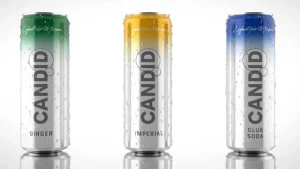
Sweeteners can be adjusted to preference, ranging from white sugar and honey to coconut sugar. Water should be clean and neutral, as it makes up the majority of the drink. For carbonation, many people use neutral sparkling water such as club soda as a practical solution that avoids fermentation altogether, for example a clean, balanced option like Candid Club Soda.
The Basic Process of Making Homemade Ginger Ale
In simple terms, the process begins by extracting ginger flavor. Fresh ginger is grated or thinly sliced, then simmered with water and sweetener to create a ginger syrup. This step captures ginger flavor without making it overly sharp.
Once the ginger syrup has cooled, the next step is mixing it with carbonated water. At this point, the ginger ale is ready to drink. For a more traditional approach, some people opt for light fermentation using natural yeast, though this method requires more time and careful monitoring.
For beginners, the non-fermented method is the safest and most accessible option.
The Role of Homemade Ginger Ale in Daily Life
Homemade ginger ale is best suited for casual consumption. It works well as an afternoon drink, a light accompaniment to snacks, or a simple non-alcoholic mocktail. The fresh ginger flavor often delivers a warming, comforting sensation, especially when served cold.
That said, homemade ginger ale is not designed for long storage. Carbonation fades more quickly, and flavor can shift over time. For this reason, it’s best made in small batches and enjoyed soon after preparation.
Benefits of Making Ginger Ale Yourself
The main benefit of making ginger ale at home is control. You can tailor the flavor to your liking, reduce sweetness, and ensure that ingredients remain simple and natural.
From a lifestyle perspective, the process also encourages more mindful drinking habits. You know exactly what goes into your glass, without needing to scan long ingredient labels.
These benefits are most noticeable when ginger ale is made for personal enjoyment rather than for situations that require high consistency.
Comparing Homemade Ginger Ale with Ready-Made Versions
Ready-made ginger ale is designed with different priorities. Its carbonation is stable, flavor is consistent, and it works reliably across many contexts, including more structured mixed drinks.
Homemade ginger ale, on the other hand, excels in flexibility and personal expression. The two aren’t replacements for one another. They complement each other. Homemade ginger ale suits exploration and relaxed enjoyment, while professionally balanced ginger ale such as Candid Ginger is better suited for structured drinks and reliable pairing.
Tips for Beginners
For beginners, simplicity is key. Use fresh ginger in moderate amounts and avoid overly aggressive boiling. Too much ginger intensity can make the drink feel heavy.
Make sure the ginger syrup is fully cooled before mixing it with carbonated water to prevent the carbonation from dissipating too quickly. Taste gradually and adjust proportions as needed.
Most importantly, don’t chase perfection at the start. Homemade ginger ale is about the process, not achieving identical results every time.
Homemade Ginger Ale in a Modern Lifestyle
In a modern context, making drinks at home is often less about saving money and more about experience. Homemade ginger ale creates a closer connection to what we consume.
It reflects a calmer, more intentional approach: enjoying the process, understanding flavor, and accepting small imperfections as part of the drink’s character.
Candid’s Perspective on Homemade Ginger Ale
At Candid, we see homemade ginger ale as part of exploration. Making it yourself can be a great way to understand flavor structure and the role ginger ale plays in drinks.
However, for occasions that require consistency and precise balance, such as modern mixed drinks or spirit pairings, professionally crafted ginger ale still plays an important role. This approach aligns with Candid’s philosophy, which is also reflected in other mixers like Candid Imperial Tonic Water, where structure and balance are essential.
Both approaches have their place.
Conclusion
Making homemade ginger ale with natural ingredients is a straightforward process and can be a deeply satisfying experience. With fresh ginger, the right sweetener, and light carbonation, you can enjoy a personalized and flexible version of ginger ale.
Understanding its use context is essential. Homemade ginger ale is best for relaxed enjoyment and flavor exploration, while high-quality ginger ale remains superior in consistency and function. This is where Candid positions itself: as a calm, clean, and dependable standard in the world of ginger ale and modern mixers.
Further Reading
Candid Products: Soda Water, Tonic Water, Ginger Ale
Candid Website: candidmixers.com
Drink Recipes: Emma Bartender