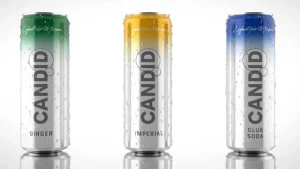
Gin & Tonic is one of the simplest drinks, yet also one of the easiest to get “wrong” if made without care. Behind its minimal appearance, Gin & Tonic Water holds a delicate balance between alcohol, bitterness, carbonation, and freshness. That balance is exactly why this drink remains a favorite both in professional bars and at home.
For many people, Gin & Tonic is simply gin topped with tonic water. But for bartenders and modern drink enthusiasts, Gin & Tonic Water is about proportions, ingredient choices, and presentation. This article explores how to make a Gin & Tonic that feels clean, refreshing, and well-structured, not merely strong or sweet, using an approach anyone can apply.
Why Is Gin & Tonic So Iconic?
Gin & Tonic Water has endured across generations not because of complexity, but because of clarity. Gin brings distinctive character from herbs, spices, and citrus notes. Tonic water contributes its signature bitter-sweet taste and firm carbonation. When combined correctly, the result is a drink that feels crisp, refreshing, and unmistakably mature.
Its iconic status comes from balance. If one element dominates, gin that is too strong or tonic water that is overly sweet, the character of the drink shifts immediately. This is why Gin & Tonic is often used as a benchmark for the quality of a bar or a mixer.
The Role of Tonic Water in Gin & Tonic
In a Gin & Tonic Water, tonic water is far more than a filler. It sets the direction of flavor. Quinine provides the characteristic bitterness, while carbonation lifts the aroma of the gin and keeps the drink lively.
Unlike soda water, which is neutral, tonic water actively “speaks” in the drink. It balances alcohol, adds structure, and maintains freshness throughout. This is why the quality of tonic water, especially one with clean bitterness and controlled sweetness like Candid mperial Tonic Water, has a direct impact on the final result.
Choosing the Right Gin and Tonic Water
A great Gin & Tonic Water always starts with the right ingredients. A gin with sharp, aggressive notes can feel overpowering when paired with a sweet tonic. On the other hand, a delicate gin may disappear if the tonic water is too dominant.
The professional approach is simple: let the gin speak, and let the tonic water support rather than cover it. A tonic water with clean bitterness and controlled sweetness gives space for the gin’s character to come through clearly.
The Ratio That Defines Balance
One of the most common mistakes in making Gin & Tonic is an unbalanced ratio. Too much gin makes the drink heavy, while too much tonic water can erase the gin’s identity altogether.
Generally, a comfortable ratio sits around one part gin to two or three parts tonic water. This isn’t a rigid rule. The goal is not to follow a formula, but to find the point where the gin is present yet the drink remains easy to enjoy.
Professional bartenders often adjust ratios based on the style of gin and the character of the tonic water used. At home, this approach works just as well by tasting slowly and adjusting to preference.
Ice and Temperature: Often Overlooked Details
Gin & Tonic Water performs best when served very cold. Low temperatures help stabilize carbonation and soften the bitterness of tonic water. Ice, therefore, is not just an accessory. It is a structural element.
A glass filled generously with ice keeps the drink cold longer and prevents excessive dilution. A Gin & Tonic that melts too quickly often loses its balance and feels flat before it’s finished.
Proper Pouring Technique
How you pour also affects the final result. Gin is typically poured first, followed by ice, with tonic water/air tonik added slowly afterward. Pouring tonic water gently helps preserve carbonation and prevents bubbles from dissipating too quickly.
In professional settings, tonic water is almost always added at the final stage. The purpose is simple: to preserve texture and freshness all the way to the last sip.
Garnish: An Accent, Not the Centerpiece
Garnish is often mistaken as purely decorative. In a Gin & Tonic Water, garnish should support aroma rather than dramatically alter flavor.
Citrus slices such as lemon or lime are commonly used because they open up the gin’s aroma and refresh the drink. However, garnish should never be excessive. A single, relevant touch is far more effective than an overcrowded combination.
The professional mindset always treats garnish as an accent, not the star.
Gin & Tonic Water for Beginners
For beginners, Gin & Tonic Water is a comfortable entry point into mixed drinks. It is relatively easy to make, yet it teaches the importance of balance.
Citrus slices like lemon or lime are often used to lift aroma and freshness. Some bartenders also add a gentle layer of warmth such as a hint of ginger, provided it doesn’t disrupt balance, using clean ginger elements like Candid Ginger.
Over time, flavor awareness develops naturally, without the need for overly technical methods.
Gin & Tonic in Modern Lifestyles
Today, Gin & Tonic Water is no longer limited to late-night bars. It appears in many contexts: relaxed afternoons, small gatherings, or quiet moments after a long day.
Its popularity reflects a shift in how people enjoy drinks: lighter, more intentional, and less excessive. Gin & Tonic Water fits this approach perfectly, offering refreshment without heaviness.
Candid’s Perspective on Gin & Tonic Water
At Candid, Gin & Tonic Water is seen as a perfect example of how a mixer should function. The right tonic water does not overpower the gin, but brings all elements together in the glass.
Candid’s approach focuses on clean carbonation, balanced bitterness, and controlled sweetness. This philosophy aligns closely with the essence of Gin & Tonic itself: simple, functional, and consistent.
Conclusion
Making the perfect Gin & Tonic Water like a professional is not about complicated techniques or exclusive ingredients. It comes down to attention to detail: the choice of tonic water, balanced ratios, proper temperature, and thoughtful presentation.
When gin and tonic water are combined with understanding, the result is more than just an alcoholic drink. It becomes a clean, refreshing, and controlled drinking experience. That is where Gin & Tonic Water shows its strength, and where Candid positions itself as a quiet supporter of balance in the modern beverage world.
Further Reading
Candid Products: Soda Water, Tonic Water, Ginger Ale
Candid Website: candidmixers.com
Drink Recipes:Emma Bartender