In the world of modern beverages, flavor never stands alone. It is shaped by multiple elements working together, often subtly. One of the most influential yet frequently underestimated components is tonic water. For many people, tonic water, or air tonik as it is often called in Indonesia, remains closely associated with gin. In reality, its role extends far beyond being a simple pairing.
Tonic water has a clearly defined flavor character: bitter, lightly sweet, and carbonated. This combination allows it to reshape how a drink feels on the palate, from the first sip to the lingering aftertaste. This article explores how tonic water influences your drink’s flavor profile and why its selection deserves closer attention.
What Is Tonic Water and Why Does It Taste Different?
Tonic water is a carbonated beverage that contains quinine, a natural compound responsible for its signature bitterness. Unlike soda water, which is neutral by design, tonic water is meant to be tasted. In addition to bitterness, tonic water typically includes sugar or sweeteners in measured amounts to maintain balance.
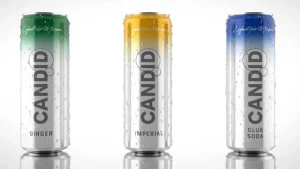
This is what sets tonic water apart. It doesn’t just add bubbles. It brings structure. Each sip unfolds in layers: bitterness up front, freshness through the middle, and a subtle sweetness at the finish. This structure interacts directly with other ingredients in a drink, especially when using a tonic with clean bitterness and controlled sweetness such as Candid Imperial Tonic Water.
Tonic Water as a Flavor Director
In mixed drinks, tonic water acts as a flavor guide. When paired with spirits or other components, it helps determine whether a drink feels crisp, sharp, or well-balanced.
The bitterness of tonic water serves as a natural counterweight. It keeps sweetness in check and refines overly strong alcohol notes. At the same time, carbonation lifts aroma, allowing flavors to feel more open and expressive.
Often without realizing it, tonic water determines whether a drink feels refreshing, or tiring to finish.
How Bitterness Shapes Flavor Perception
Bitterness plays a crucial role in how we perceive flavor. In many beverages, it creates contrast that sharpens other taste elements.
When tonic water is added, sweetness becomes more controlled and acidity feels cleaner. Tonic water contributes to a “dry” impression often associated with more mature, composed drinks. This is why tonic-based drinks rarely feel cloying, even when enjoyed slowly.
The Role of Carbonation in Texture and Aroma
Carbonation is more than just fizz. In tonic water, it affects how flavor spreads across the palate. The bubbles help carry aromas toward the nose, intensifying perception without increasing the strength of the main ingredients.
Tonic water with refined carbonation makes a drink feel lighter and fresher. On the other hand, coarse carbonation or bubbles that dissipate too quickly can cause a drink to feel flat before it is finished.
This is why carbonation quality has a direct impact on the overall drinking experience.
Tonic Water and Sweetness Balance
Most tonic waters contain sweeteners, but in quantities intended to balance bitterness, not dominate it. This sweetness level plays a major role in defining the final flavor profile.
Overly sweet tonic water can mask other ingredients and make a drink feel heavy. Conversely, tonic water with controlled sweetness keeps flavors clean and focused.
This is where tonic water selection becomes especially important, particularly for drinks built around balance rather than intensity.
Comparing Tonic Water with Soda Water and Sparkling Water
To better understand tonic water’s influence, it helps to compare it with other mixers. Soda water is neutral; it does not steer flavor, only adds texture and volume. Sparkling water carries natural mineral notes but remains relatively subtle.
Tonic water exists on a different spectrum. Tonic water actively shapes flavor. Replacing soda water with tonic water, or vice versa, can completely change a drink’s character, even when all other ingredients remain the same.
In this context, neutral soda water like Candid Club Soda is chosen when balance is needed without adding flavor direction.
How Tonic Water Works with Different Ingredients
Tonic water/air tonik performs best alongside ingredients with clear but not overpowering character. With spirits, it tempers alcohol intensity and opens aroma. With fruit or herbs, it provides structure so flavors do not feel overly sweet or chaotic.
In some creations, aromatic accents like ginger are added for extra dimension. Clean, measured ginger elements like Candid Ginger can enrich the flavor profile without interfering with tonic water’s primary role as a balancer.
In this sense, tonic water acts like a frame: not the artwork itself, but the element that defines how the artwork is perceived.
The Sensory Benefits of Using Tonic Water
While tonic water is not a health beverage, it offers sensory benefits. Bitterness naturally slows consumption, encouraging a more mindful pace. Carbonation delivers freshness without relying on excessive sweetness.
For many, drinks made with tonic water feel more composed and intentional, aligned with a modern lifestyle that values quality over quantity.
Tips for Beginners Using Tonic Water
For beginners, understanding tonic water starts with tasting. Pay attention to how a drink changes once tonic water is added.
Serve tonic water very cold so its bitterness feels smoother and carbonation stays crisp. Use enough to balance, not overwhelm. If a drink tastes too bitter or too sweet, the tonic water ratio likely needs adjustment.
A simple, gradual approach works best.
Tonic Water in Modern Drinking Culture
Today, tonic water extends beyond cocktails. It appears in relaxed at-home drinks as well as more curated serves. Its role remains consistent: preserving balance.
Air tonik reflects a more conscious approach to drinking. It offers no instant gratification; only a steady, cohesive experience from start to finish.
Candid’s Perspective on Flavor Profiles and Tonic Water
At Candid, tonic water is viewed as a structural element. A well-crafted tonic water does not interfere; it clarifies. It allows other flavors to appear more precise and intentional.
Candid’s approach emphasizes clean bitterness, precise carbonation, and controlled sweetness. This philosophy ensures tonic water supports flavor rather than overtaking it.
Conclusion
Tonic water influences your drink’s flavor profile more than it appears. From bitterness that balances, to carbonation that elevates aroma, to sweetness that binds everything together, air tonik operates across multiple layers at once.
Understanding tonic water means understanding balance. When used thoughtfully, it does not simply complement a drink. It enhances the entire experience. This is where Candid positions tonic water: as a calm foundation that helps every drink find its best expression in the modern beverage landscape.
Further Reading
Candid Products: Soda Water, Tonic Water, Ginger Ale
Candid Website: candidmixers.com
Drink Recipes: Emma Bartender